Football Fundraisers to Raise Money: 20+ Ideas That Actually Work

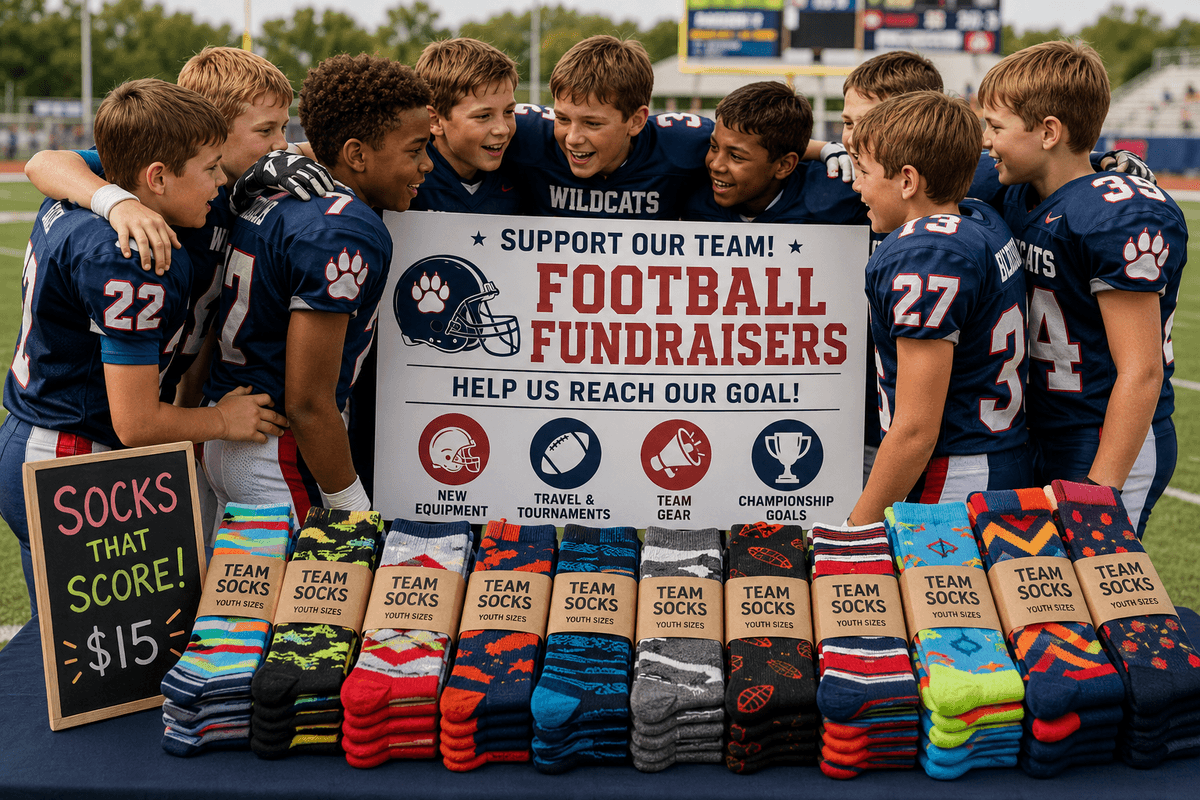
Football fundraisers to raise money are essential for programs at every level — youth leagues, middle school, high school varsity, and booster clubs — because the math never works on its own: equipment is expensive, travel costs keep rising, and gate receipts rarely cover the gap. A well-run campaign can bring in anywhere from $2,000 to $15,000+ depending on your roster size and community reach. The hard part isn’t finding an idea — a quick search turns up hundreds. The hard part is picking one that won’t collapse under the weight of coordinator burnout, unsold inventory, or parents who checked out after the second reminder email. This guide ranks 20+ proven ideas, gives you honest profit estimates, flags the real tradeoffs, and highlights one category almost every competitor list ignores: zero-inventory, zero-hassle online fundraisers that parents will actually share.
Why Most Football Fundraisers Underperform
Before jumping to ideas, it’s worth understanding why so many campaigns fall short. The three most common failure modes:
1. Too much friction for supporters. Car washes, spaghetti dinners, and bake sales require supporters to show up in person at a specific time. Life gets in the way. Attendance disappoints. Profit shrinks.
2. Upfront inventory risk. Candy bars, popcorn tins, and coupon books all require the team to purchase or commit to product before knowing how much they’ll sell. Leftover inventory eats directly into profit — and you’re stuck eating chocolate in July.
3. Parent coordinator burnout. Events that need 10 volunteers to set up, run, and clean up are a recurring tax on the same three parents every single time. Those parents eventually stop volunteering.
The fundraisers that consistently outperform are the ones that minimize these three problems — not eliminate every tradeoff, but reduce friction enough that the campaign actually runs to completion.
The Best Football Fundraisers to Raise Money (Ranked by Practicality)
1. Pledge-a-Thon (Yards, Tackles, or Touchdowns)
Profit potential: High | Effort: Medium | Best for: All levels
Players collect pledges per yard gained, per tackle made, or per touchdown scored over a single game or the season. Supporters feel invested in the team’s actual performance — which turns every game into a fundraising event without adding a separate event to the calendar.
Pledge drives run well on platforms like 99pledges.com that handle the math, payment collection, and donor tracking automatically. A team of 40 players each getting 10 pledges at $1/tackle can generate thousands in a single week. The tradeoff: you need a platform that handles online payments reliably, and the final amount is variable, not guaranteed.
2. Sock Fundraiser (Online, Zero Inventory)
Profit potential: High | Effort: Low | Best for: Youth leagues, high school, booster clubs
This is the angle most football fundraising lists completely miss, and it’s worth dwelling on. FundChamps is a sock fundraising platform built specifically for sports teams, schools, and clubs. Your team gets a custom fundraiser page; supporters buy high-quality, funny, or themed socks online; and your team keeps 50% of every sale — no upfront cost, no inventory to manage, no minimum order, no door-to-door selling.
For football teams, this format solves three problems at once: parents share a link (not a catalog), supporters can buy from anywhere in the country, and there’s nothing left over if the fundraiser undersells. The product is genuinely giftable — novelty and themed socks are among the top-gifted items in the U.S. — so supporters don’t feel like they’re doing the team a favor just by buying. If you’re tired of chocolate bars that melt in the August heat or coupon books nobody uses, a football sock fundraiser at fundchamps.com is worth a serious look.
3. Spirit Wear Pre-Order
Profit potential: Medium-High | Effort: Medium | Best for: High school, booster clubs
Custom T-shirts, hoodies, and hats with the team name and season year sell reliably — especially if you time the launch to coincide with the start of the season when excitement is high. The critical word is pre-order: collect payment before you place the print run. This eliminates inventory risk entirely. Margin typically runs 40–60% over cost for screen-printed apparel.
Tradeoff: you need a reliable local printer or print-on-demand service, and you’re managing sizing, distribution, and complaints if items run small or late.
4. Online Donation Campaign
Profit potential: Variable | Effort: Low | Best for: Booster clubs, community-supported programs
A straightforward campaign page with a specific goal (“We need $4,500 for new shoulder pads for 45 players — that’s $100 per player”) outperforms vague “help our team” messaging every time. Platforms like GoFundMe or your booster club’s own website can host this. Pair it with a short video from the coach explaining exactly what the money funds. Share through the team app, email list, and social media.
Honest note: donation campaigns work best when the community has a strong emotional connection to the program. A storied high school program with alumni support will outperform a new youth league using this format.
5. 50/50 Raffle at Home Games
Profit potential: Medium | Effort: Low-Medium | Best for: High school, semi-pro
Half the raffle pot goes to a winner; the other half goes to the team. Popular at games because supporters feel like they have a shot at winning something. Check your state’s raffle and lottery laws before running one — regulations vary significantly. For high school and youth programs, this works best as a supplemental fundraiser layered on top of a primary campaign.
6. Restaurant Night / Dining Fundraiser
Profit potential: Low-Medium | Effort: Low | Best for: Youth leagues, elementary-age programs
Partner with a local restaurant (many chains have formal fundraiser programs — Chipotle, Chick-fil-A, and Pizza Hut are common) and earn 10–20% of sales when supporters mention your team or use a code. Easy to run; doesn’t require any volunteer coordination on the night itself. The tradeoff is the margin — 10–15% means you need high participation to generate meaningful revenue.
7. Booster Club Membership Drive
Profit potential: Medium-High | Effort: Medium | Best for: High school varsity
Structured memberships ($50 Bronze, $100 Silver, $250 Gold) with tiered perks — reserved seating, a name in the game program, a parking pass — can generate significant recurring revenue if you build the program right. The effort is front-loaded (building the perks structure and promotion) but the payoff compounds over multiple seasons.
8. Discount Cards / Entertainment Books
Profit potential: Medium | Effort: High | Best for: Programs with strong door-to-door networks
We’d be remiss not to include this since it’s one of the most-suggested ideas on competitor lists. Discount cards and coupon books can generate solid revenue — but only if you have the parent volunteer infrastructure to push them. They require upfront purchase, door-to-door distribution, and cash handling. If your program has had success with this format before, keep running it. If you’re starting fresh, there are lower-friction options above.
9. Car Wash
Profit potential: Low-Medium | Effort: High | Best for: Communities with high foot traffic
Classic for a reason — community visibility, no product cost, players do the work. The honest assessment: car washes are weather-dependent, labor-intensive, and rarely scale beyond a few hundred dollars for most programs. Good for building team camaraderie; less good as a primary revenue source.
10. Golf Tournament (Booster Club)
Profit potential: High | Effort: Very High | Best for: Established booster clubs with corporate connections
A well-run golf tournament with hole sponsors can raise $10,000–$30,000 in a single day. The catch: planning takes months, you need a venue relationship, and the sponsor outreach alone is a part-time job. This is a booster club undertaking, not a parent-volunteer weekend project.
What the Competition Doesn’t Tell You: The Inventory Problem
Browse the top-ranking football fundraising lists and you’ll find hundreds of product-based ideas — candy bars, popcorn, beef jerky, cheesecake, candles. What most of them underplay is the inventory risk baked into every one. You order in bulk, hope the team sells through, and eat the loss on whatever’s left. Bulk candy bar fundraisers can work well when executed carefully, but they require real upfront capital and a committed sales effort.
The shift toward online-first, zero-inventory fundraising is real and accelerating. Travel teams have been early adopters because their schedules make in-person selling nearly impossible. Elementary schools are moving this direction because parents no longer want to send kids door-to-door for safety reasons. Football programs should make the same calculation.
How to Structure a Football Fundraising Campaign That Actually Finishes
Most fundraisers fail in execution, not conception. A few structural decisions make the difference:
-
Set a specific, public goal. “We need $8,000 for new helmets and pads” outperforms “help support the team” by a wide margin. Donors want to know their contribution matters to a real purchase.
-
Give every player a personal link or share tool. When players are invested in their own sub-goal (“I’m raising $200 of the team’s $8,000”), participation rates jump. Peer-to-peer mechanics outperform broadcast appeals.
-
Run the campaign for 2–3 weeks, not open-ended. Urgency converts. A campaign that “ends” on October 15th will outperform one that “closes when we hit our goal” with no deadline.
-
Use game-day moments. Announce progress at halftime. Post a running total on your team’s social pages. Every Friday Night Lights moment is a free marketing touchpoint.
-
Keep it to one fundraiser at a time. Stacking multiple campaigns simultaneously exhausts your supporter base and dilutes results from both.
For groups balancing sports and academics, the same principles apply — see how marching bands approach their fundraising calendar for a model that translates well to football booster clubs.
Football Fundraising for Specific Levels: What Changes
Youth football (ages 6–14): Prioritize safety and parent ease. No door-to-door selling. Online-only platforms (FundChamps socks, pledge drives) are ideal. Keep communication in the team app, not group texts. Parents of young players are often newer to fundraising and more responsive to clear, simple asks.
Middle school: Peer-to-peer sharing via social media starts to become viable. Players can genuinely drive their own fundraising pages. Spirit wear and pledge drives perform well.
High school varsity: Booster club involvement unlocks higher-ceiling options (golf tournaments, major sponsors, alumni outreach). Corporate sponsorships of the scoreboard, programs, or field banners can supplement player-driven campaigns. Fraternity and club programs at the college level offer useful models for alumni engagement that high school boosters can adapt.
Travel and club football: These programs often operate without a school’s institutional support, making low-overhead, online-first fundraisers especially important. The same zero-inventory, link-sharing approach that works for youth leagues scales well for travel programs with dispersed supporters across multiple zip codes.
Ready to Run Your Football Fundraiser?
If you’re looking for a football fundraiser that doesn’t require upfront money, a storage unit for unsold inventory, or convincing parents to knock on strangers’ doors — launch a sock fundraiser at fundchamps.com. Your team gets 50% of every sale, supporters order online from anywhere, and there’s no minimum order or hidden fee. It takes about 30 seconds to set up, and your players can start sharing their links the same day. For everything else on this list, pick the format that matches your actual capacity — not the one that looks best on paper.
Related articles

A practical, numbers-first guide to running a baseball sponsor-a-player fundraiser — including the one format most teams are still sleeping on.
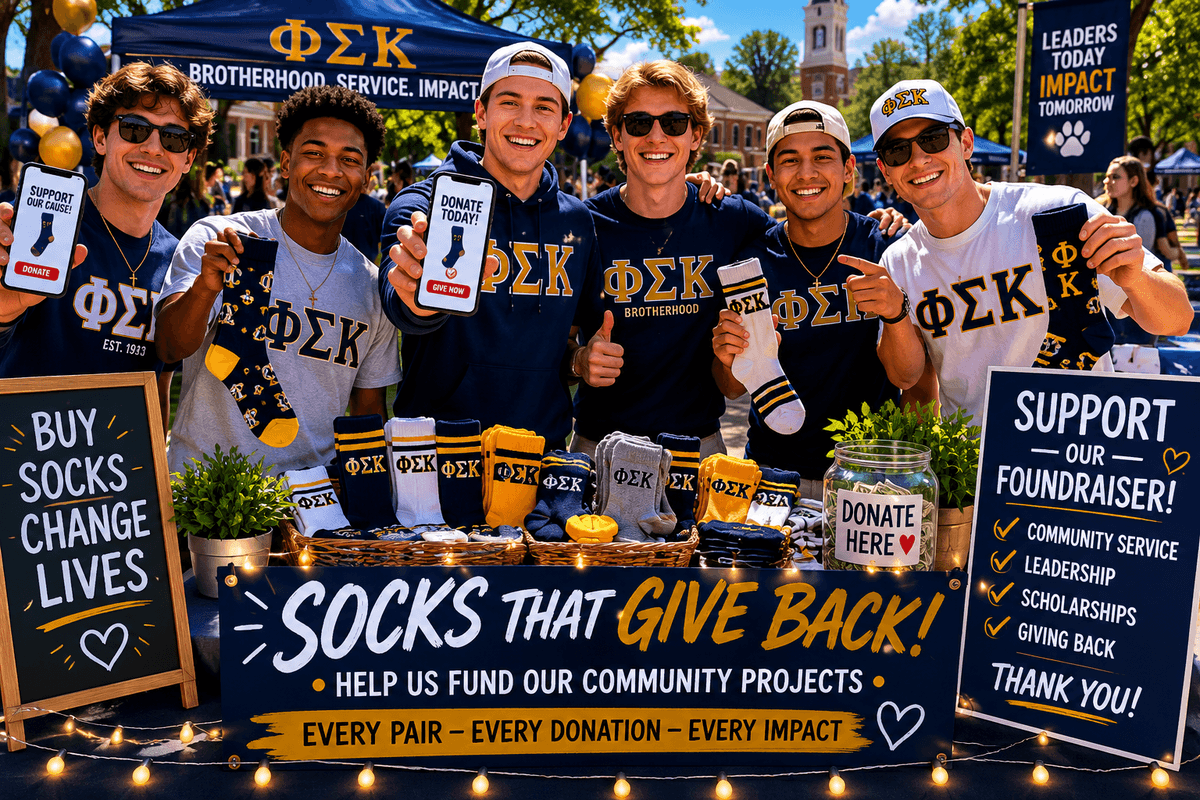
The best fraternity fundraising ideas balance fast setup, real profit margins, and zero inventory headaches — here's what actually works.
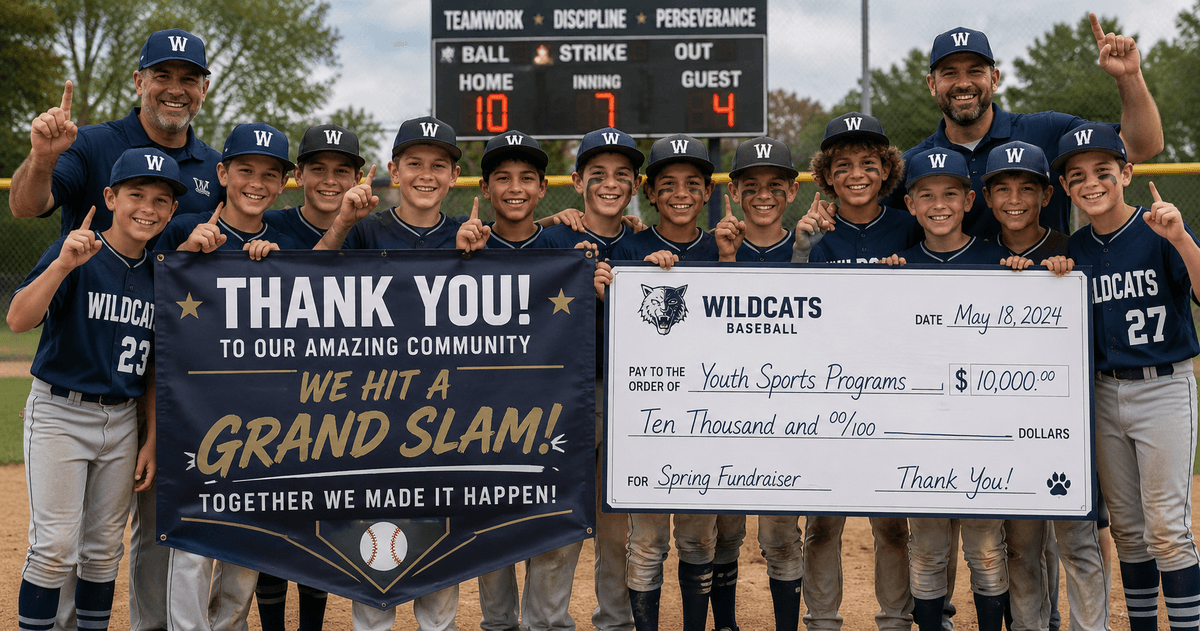
Not all fundraisers are created equal — here's a data-backed breakdown of which formats deliver the highest profit margins and fewest headaches.
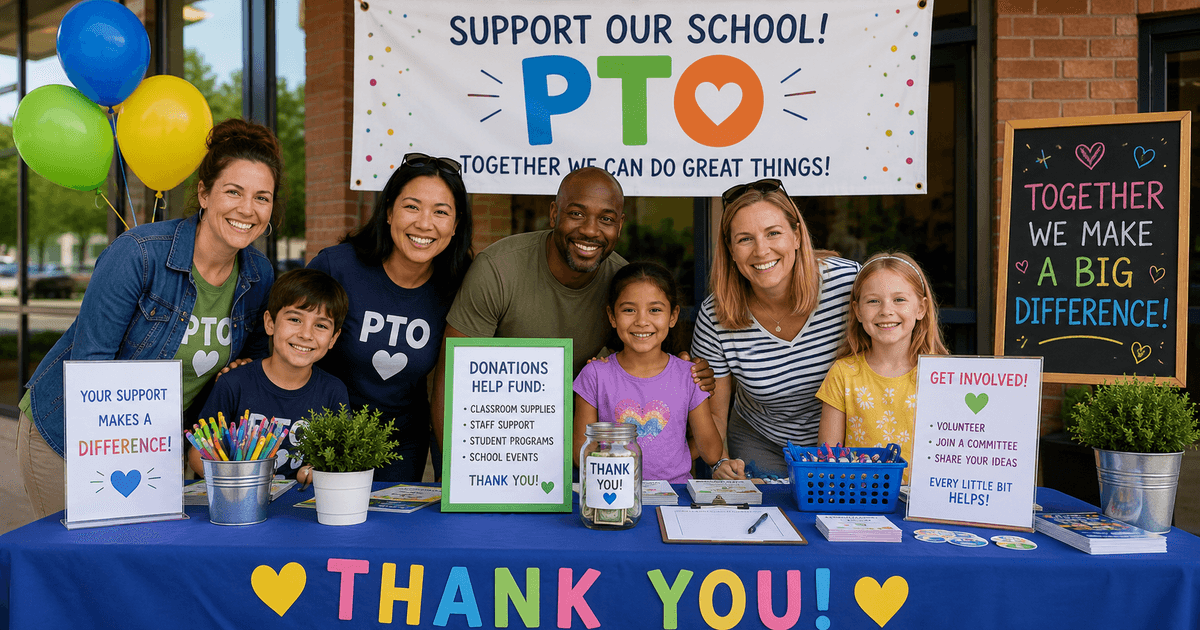
A practical, no-fluff guide to the best PTO fundraising ideas for schools—ranked by profit, effort, and what parents will actually support.
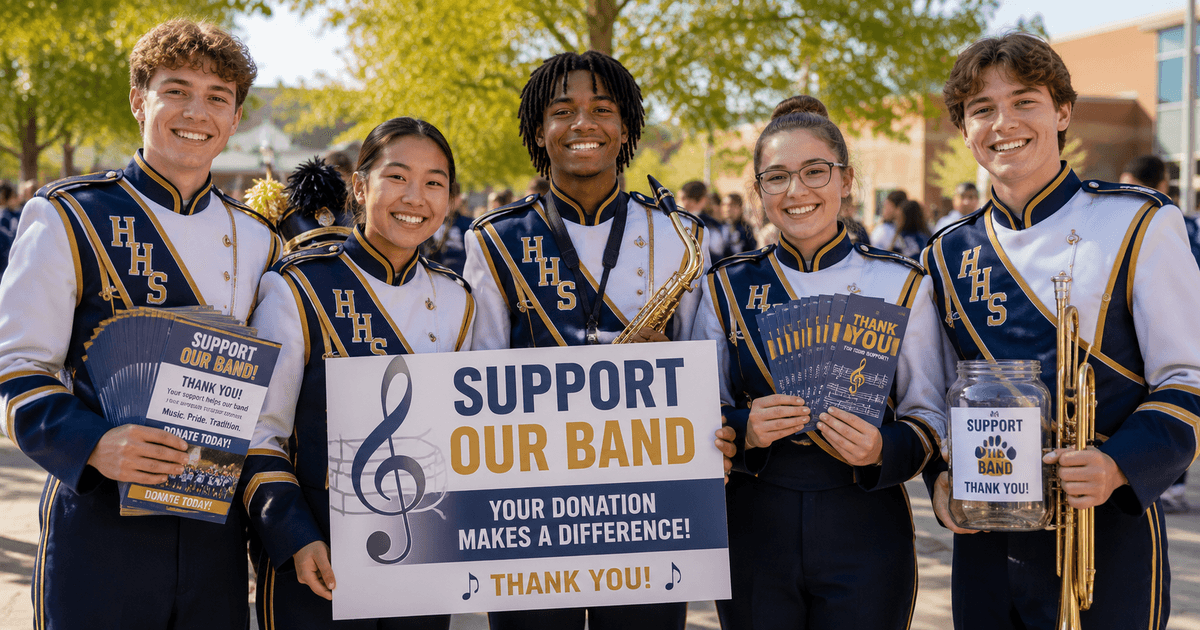
The best band fundraising ideas ranked by profit, effort, and fit—so your program spends less time selling and more time playing.
Discover the top 10 creative and impactful fundraising ideas for sororities and fraternities in 2024, featuring Fundchamps and hands-on activities.