Fundraisers With the Most Profit: What Actually Works

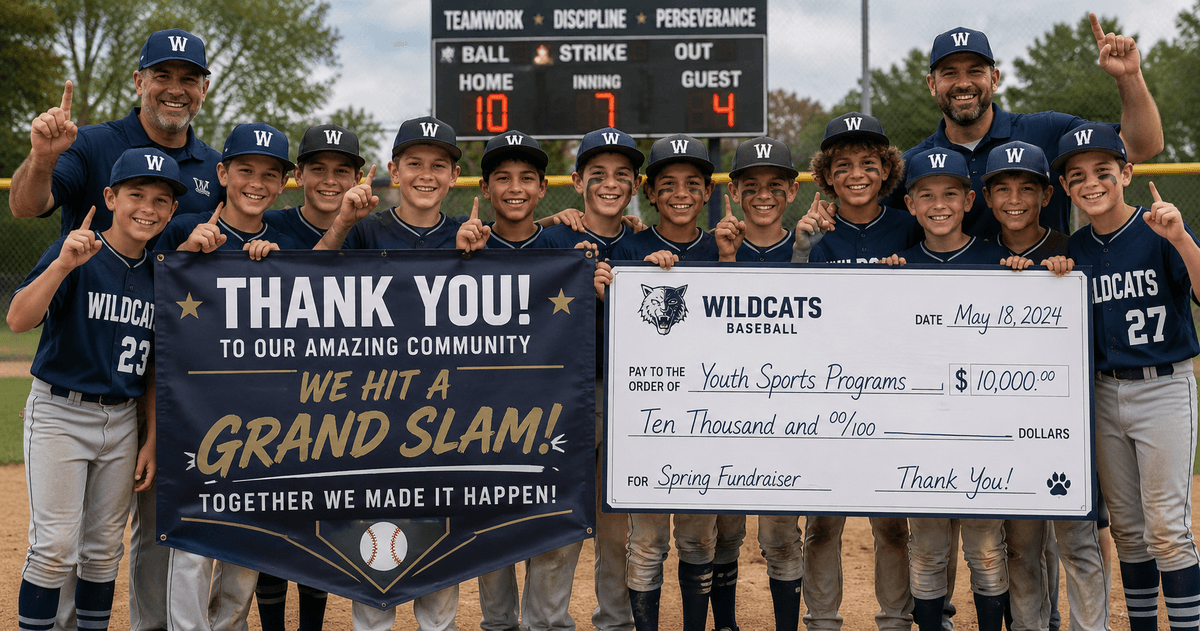
When your team, band, troop, or school needs to raise money, the question isn’t just how to fundraise — it’s which fundraisers with the most profit are worth your group’s time and energy. Too many groups put in two months of work and walk away with a check that barely covers the entry fee, because gross revenue looks okay but after product costs, leftover inventory, and donated hours, the actual return is thin. This guide breaks down which formats deliver the highest real-world profit margins, why some popular options quietly underperform, and what to look for before you commit your group to a campaign.
Why “Most Profit” Is a More Useful Question Than “Most Popular”
Popularity and profitability are not the same thing. A candy bar sale might be easy to explain to parents, but once you subtract the product cost, any unsold boxes, and the coordinator’s time, you’re often looking at a 30–35% margin on money that was already collected — and a 0% margin on inventory that came back. Profitability is a function of three things:
Margin on each sale — what percentage of every dollar raised goes to your group, not the vendor.
Reach — how many potential buyers you can actually access.
Hidden costs — storage, transportation, spoilage, event permits, supplies, and volunteer hours.
The fundraisers with the highest genuine profit combine a strong per-sale margin with low or zero overhead. That’s the framework this whole post is built around.
Fundraisers With the Most Profit: An Honest Breakdown by Type
Not every category deserves the same enthusiasm. Here’s a realistic look at common formats:
Product Fundraisers (Candy, Popcorn, Cookie Dough, Candles)
Gross margins typically sit between 30–45% at the invoice level. That sounds reasonable until you account for the cases that come back unsold, the freezer space for cookie dough, or the boxes of microwave popcorn that nobody wanted. Real-world net margins — after returns and waste — frequently drop to 20–30%. These formats also require door-to-door selling, which is increasingly unpopular with parents and genuinely unsafe for young children without supervision.
Pledge-a-Thons and Read-a-Thons
When structured well — a clear activity, a defined pledge period, an online collection page — pledge-a-thons can return 60–80% of gross revenue because there’s no product cost at all. The tradeoff: they require significant volunteer coordination (tracking pledges, following up with donors, managing the activity day), and groups without a strong parent network often fall short of projections.
Car Washes and Bake Sales
Great for community feel, modest on the bottom line. Car washes average $200–$600 per event before supplies, and bake sales depend entirely on foot traffic. Neither scales. A rainy Saturday can wipe out a car wash entirely.
Restaurant Nights and Dining Partnerships
Easy to organize, low risk — and low reward. Most restaurant deals return 15–20% of sales during the event window, and you need genuine turnout to move the needle.
Online Product Fundraisers (Print-on-Demand, Branded Merchandise, Socks)
This is where the math gets genuinely interesting. When a platform carries zero inventory to the organizer, ships directly to the buyer, and still returns 40–50% of each sale, the hidden cost problem disappears. There’s nothing to store, nothing to return, and no minimum order required. Parents share a link; supporters buy; the group gets paid. Platforms like FundChamps are built exactly on this model — sports teams, scout troops, marching bands, and school clubs launch a sock fundraiser online, supporters buy funny and high-quality socks at retail prices, and the group keeps 50% of every sale with no upfront cost and no minimum.
What Makes Socks a Surprisingly Strong Fundraising Product
Skeptics of product fundraisers have a fair point: does anyone actually need another scented candle or tin of popcorn? Socks sidestep that objection. They’re a consumable everyday item with broad demographic appeal — grandparents buy them for grandkids, alumni buy team-themed pairs, parents stock up. The novelty and humor factor (animal prints, food patterns, sports themes) turns a purchase into a small delight rather than an obligation. Compare that to coupon books, which require the buyer to change their behavior to get value, or candy bars, which compete directly with grocery store checkout lanes.
From a fundraising math perspective: a $15 pair of quality socks returning $7.50 to the group performs better per-transaction than a $5 candy bar returning $1.50. Fewer sales needed to hit the same goal.
The Variables That Quietly Destroy Your Margin
Even a high-margin fundraiser can be undermined by factors most groups don’t fully account for:
Platform fees and payment processing: Some platforms advertise 40% but take 3–5% off the top in fees. Always ask for the net percentage after all deductions.
Shipping passed to the organizer: If your group has to ship products to buyers, that cost eats margin fast — especially for heavy or perishable items.
Minimum order requirements: If you have to pre-buy 200 units to get a good price and only sell 140, your effective margin collapses.
Volunteer time at an honest wage: A bake sale that raises $400 but required 15 parent-hours to organize isn’t free — it cost the equivalent of a part-time shift.
Participation drop-off: Door-to-door campaigns rely on each participant pulling their weight. In reality, 20% of participants drive 80% of sales in most school and sports fundraisers.
Online-first formats reduce several of these risks simultaneously. When there’s no inventory, there’s no minimum. When shipping goes directly to the buyer, the organizer never touches a box.
Best Fundraisers for Specific Groups
Different groups have different constraints. Here’s how format choices map to common organizations:
Youth sports teams benefit most from low-coordination, high-margin formats. Football teams and baseball programs often have tight off-season windows and parents who are already stretched thin on volunteer hours. Online product fundraisers (socks, branded gear) let the team run a campaign during practice weeks without adding meetings.
Marching bands and band boosters need to raise significant sums — often $5,000–$30,000 — for travel and equipment. Marching band fundraising benefits from layered approaches: a high-margin online campaign running simultaneously with a pledge-a-thon tied to a performance.
Dance groups and performing arts programs often have tight-knit, passionate communities — which makes social-sharing fundraisers especially effective. A dance group fundraiser with a shareable online store can reach alumni and extended family well beyond the immediate parent base.
Scout troops — both Cub Scouts and Girl Scouts — often deal with younger participants for whom door-to-door selling is impractical without parental supervision. Online-only fundraisers solve this safety concern entirely.
Elementary and preschool programs face similar constraints. Elementary school fundraising and preschool campaigns work best when the ask is simple, the product is appealing to a wide age range of buyers, and parents don’t have to manage logistics.
Fraternities and college organizations have a different calculus — older participants, broader networks, and more digital-native audiences. Fraternity fundraising ideas lean heavily on social media amplification, which makes online product stores a natural fit.
How to Run a High-Profit Fundraiser: The Short Version
You don’t need a complex strategy. You need the right variables:
Choose zero-inventory formats to eliminate your biggest hidden cost risk.
Set a specific dollar goal and a hard deadline — groups with both raise more than those with neither.
Activate digital sharing early — the first 48 hours of a campaign drive a disproportionate share of total sales.
Report progress publicly — a thermometer graphic on social media or a scoreboard at practice creates competitive energy.
Follow up once — a single reminder email or text at the halfway point reliably lifts final totals by 15–25%, according to fundraising platform data from Classy and similar peer-to-peer platforms.
One Angle Competitors Miss: The Opportunity Cost of Low-Margin Fundraisers
Most listicles on this topic rank fundraisers by gross revenue potential. They almost never address what you give up by choosing a low-margin format. If your group spends three weekends running a car wash series that nets $1,200, they could have run a four-week online campaign returning $1,800 — with zero weekends sacrificed and zero weather dependency. The question isn’t just “how much can we raise?” It’s “how much can we raise per hour of organizational effort?” High-margin, low-logistics fundraisers win that calculation convincingly.
That’s exactly the bet FundChamps is built on. Sports teams, school clubs, scout troops, marching bands, and dance groups launch a sock fundraiser online — supporters buy fun, high-quality socks — and the group keeps 50% of every sale. No upfront cost. No inventory. No door-to-door. No minimums. Just a link parents can share and a goal worth chasing.
Ready to run a fundraiser that actually pays off? Launch a sock fundraiser at FundChamps and see your profit margin before you commit to a single sale.
Frequently asked questions
What fundraisers have the most profit?
Fundraisers with the highest profit combine zero upfront inventory cost with high perceived value — typically online product fundraisers like sock fundraisers returning 40–50% margins, or pledge-a-thons that can return 60–80% of gross revenue since there's no product cost at all.
Why do popular fundraisers like candy bar sales often underperform?
Candy bar sales typically yield only 30–35% margin on money collected, dropping further to 20–30% once you account for unsold inventory, storage, and volunteer hours. Popularity and profitability are not the same thing.
How much does a sock fundraiser return to the group?
On platforms like FundChamps, sock fundraisers return 50% of every sale to the group with no upfront cost, no minimum order, and no inventory risk — the platform ships directly to buyers.
Why are socks a strong fundraising product compared to candy or popcorn?
Socks are a consumable everyday item with broad demographic appeal across all ages. A $15 pair returning $7.50 to the group outperforms a $5 candy bar returning $1.50 per transaction, meaning fewer sales are needed to hit the same goal.
What hidden costs can destroy a fundraiser's profit margin?
Common margin killers include platform fees and payment processing (3–5%), shipping costs passed to the organizer, minimum order requirements that leave unsold inventory, and volunteer time. Online-first formats with direct-to-buyer shipping eliminate several of these risks simultaneously.
What is the best fundraiser for youth sports teams?
Youth sports teams benefit most from low-coordination, high-margin online product fundraisers — like branded socks or gear — that can run during practice weeks without adding meetings or requiring significant volunteer hours from already-stretched parents.
Related articles
A practical, no-fluff guide to the best PTO fundraising ideas for schools—ranked by profit, effort, and what parents will actually support.
The best fraternity fundraising ideas balance fast setup, real profit margins, and zero inventory headaches — here's what actually works.

A practical, numbers-first guide to running a baseball sponsor-a-player fundraiser — including the one format most teams are still sleeping on.
The best band fundraising ideas ranked by profit, effort, and fit—so your program spends less time selling and more time playing.
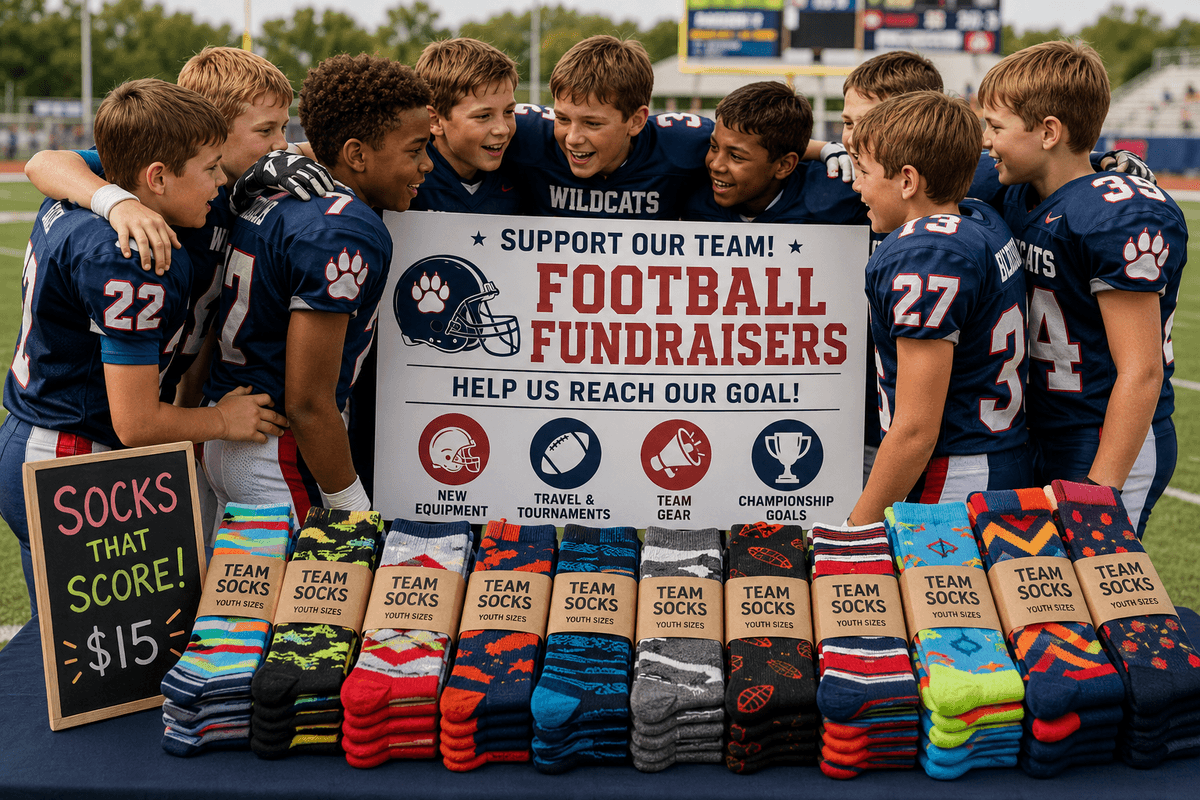
Twenty-plus football fundraising ideas ranked by real-world profit, effort, and parent buy-in, including one zero-inventory option your boosters will actually love.
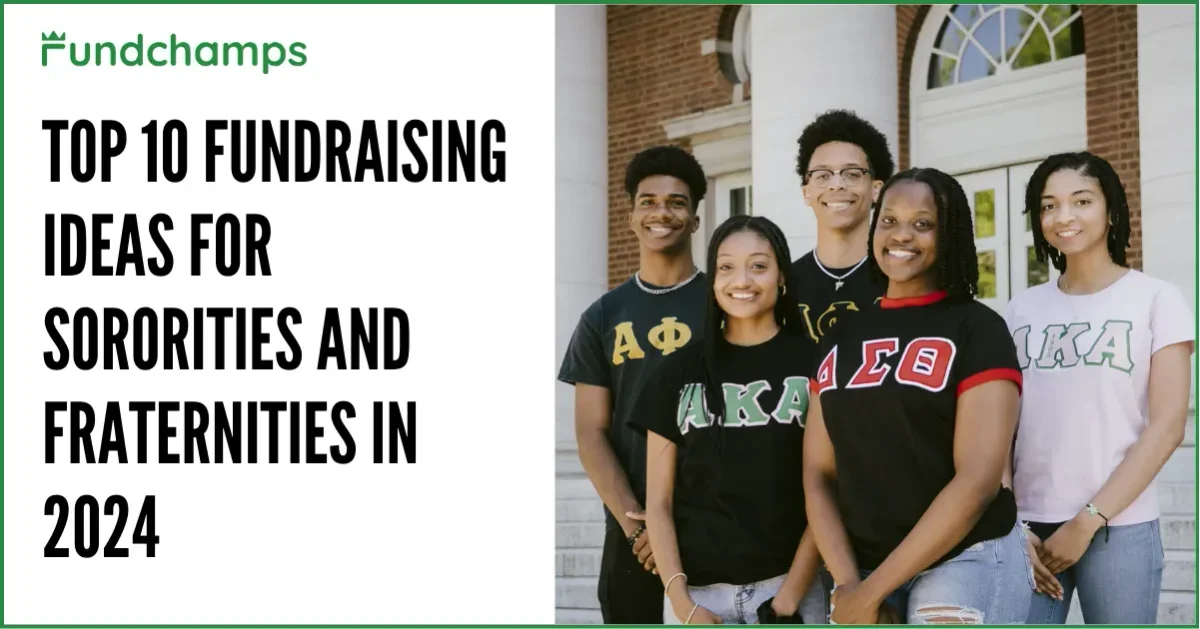
Discover the top 10 creative and impactful fundraising ideas for sororities and fraternities in 2024, featuring Fundchamps and hands-on activities.